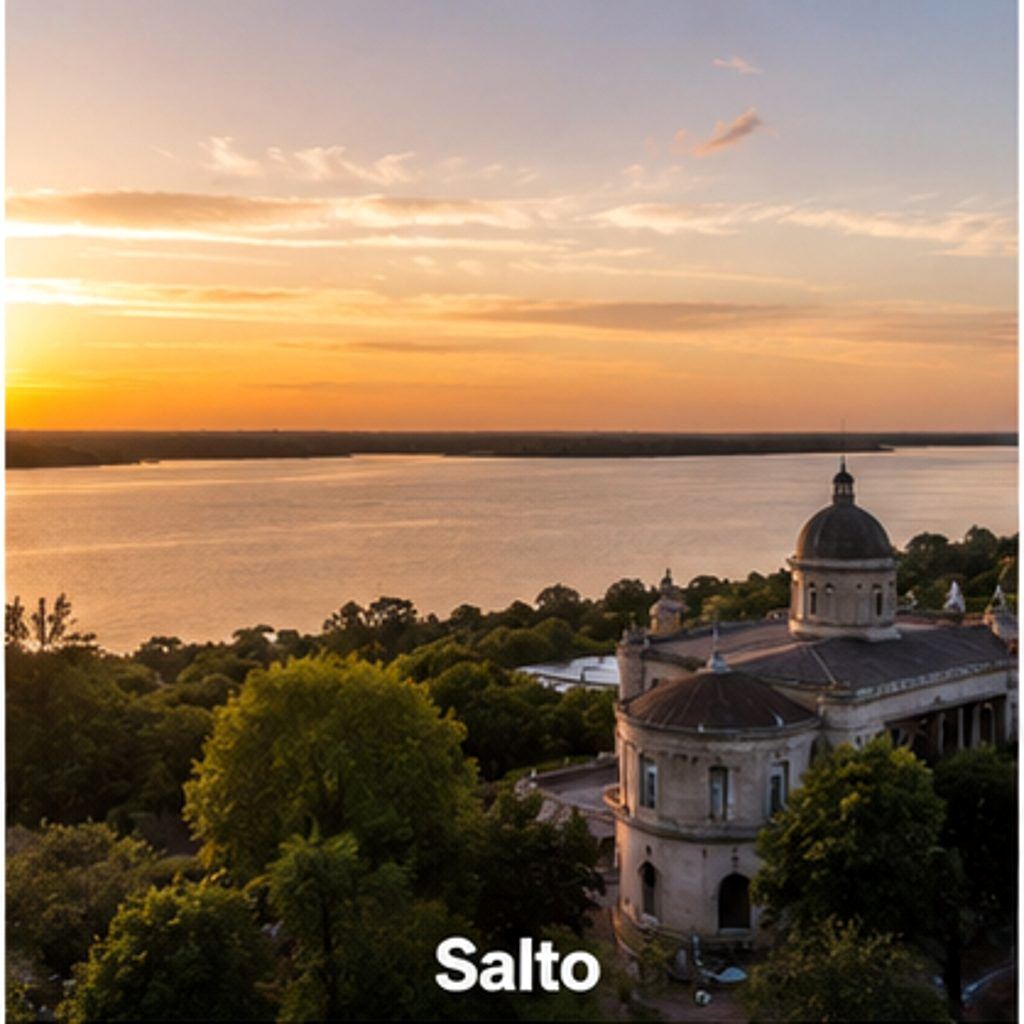
Why Consider Salto Department?
Salto Department offers a strong combination of affordability, services, warm climate, and regional identity.
It is one of the few places outside Montevideo where residents can find a larger city environment while still enjoying a much lower cost of living.
Who Is Salto Best For?
Salto is especially attractive for:
- retirees;
- budget-conscious expats;
- families seeking affordability;
- remote workers with stable income;
- people who prefer warm weather;
- those interested in thermal springs;
- residents who want access to Argentina.
It is less ideal for people who need beaches, frequent international travel, nightlife, or a large expat community.
Major Cities and Towns
Salto
The department's capital and Uruguay's second-largest city. It offers healthcare, education, shopping, riverfront life, and access to Argentina.
Termas del Daymán
A thermal springs area near Salto city, popular with visitors and residents.
Termas del Arapey
A more remote thermal resort area known for hot springs and relaxation.
Economy
Salto's economy is based on:
- citrus production;
- agriculture;
- thermal tourism;
- education;
- healthcare;
- river trade;
- logistics;
- retail;
- cross-border activity with Argentina.
The department has a stronger regional economy than many smaller inland departments.
Transportation
Salto is far from Montevideo but well connected by intercity buses.
Driving to Montevideo takes around 5.5–6 hours, while buses usually take 6–7 hours.
The bridge to Concordia, Argentina, gives the department an important international connection.
Why Choose Salto Instead of Montevideo?
Choose Salto if you want:
- lower cost of living;
- warmer weather;
- a quieter regional city;
- thermal springs;
- access to Argentina;
- more affordable housing.
Choose Montevideo if you want:
- international airport access;
- more jobs;
- larger expat community;
- better public transport;
- more cultural life;
- more specialized healthcare.
Cost of Living
Salto is one of the best departments in Uruguay for affordability. Housing, restaurants, and many everyday expenses are lower than in Montevideo, Punta del Este, or Colonia's most touristic areas.
For retirees or remote workers with foreign income, Salto can offer a very comfortable lifestyle at a moderate budget.
Thermal Springs and River Life
Thermal springs are one of the department's defining features. Daymán and Arapey attract visitors from across Uruguay and Argentina, but residents can also enjoy these areas regularly.
The Uruguay River adds another important lifestyle element, with waterfront walks, fishing, boating, and cross-border views.
Frequently Asked Questions
Is Salto Department good for expats?
Yes, especially for retirees and budget-conscious expats who want a warm, affordable regional city.
Is Salto far from Montevideo?
Yes. It is about 5.5–6 hours by car and 6–7 hours by bus.
Is Salto cheaper than Montevideo?
Yes. Housing and everyday costs are generally much lower.
What is Salto known for?
Salto is known for thermal springs, citrus production, the Uruguay River, Salto city, and the border with Argentina.
Do you need a car in Salto Department?
A car is helpful, especially for visiting thermal resorts and rural areas, though Salto city itself has local transport.