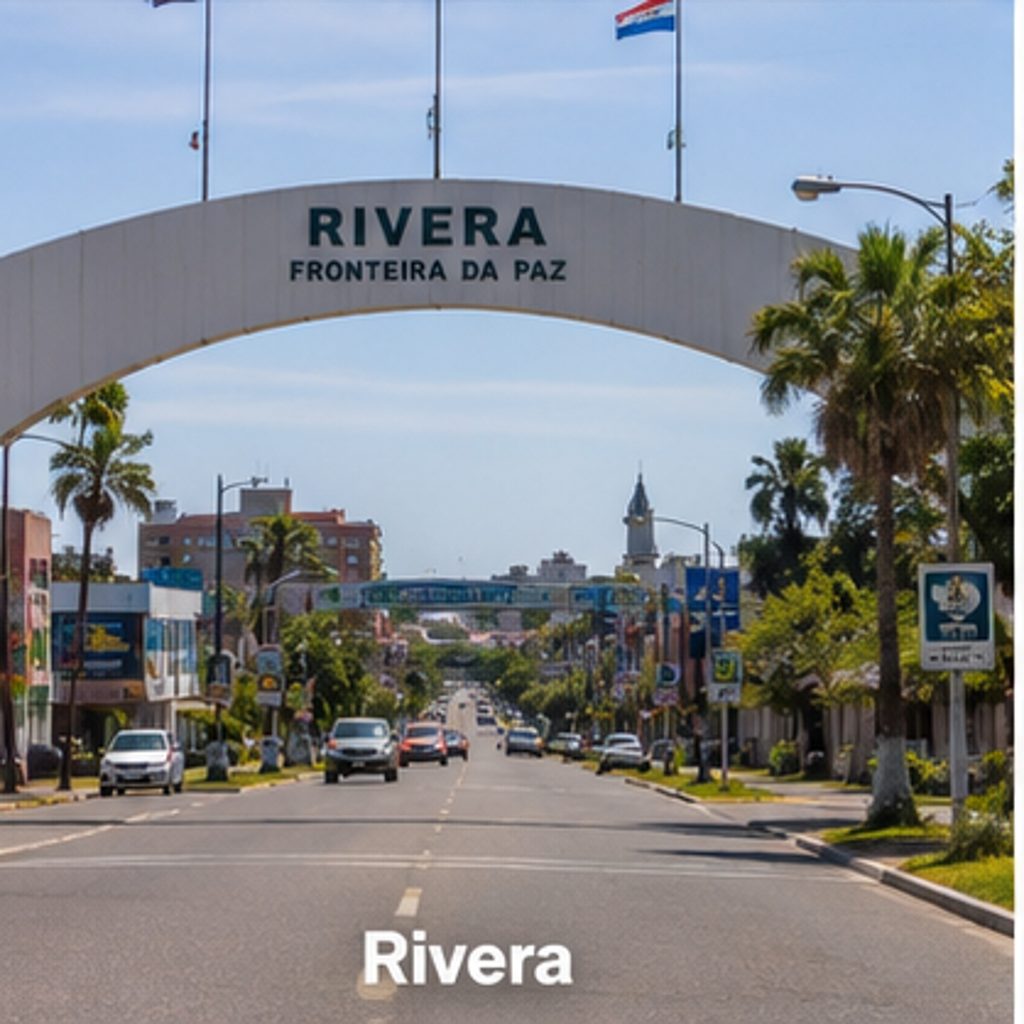
Why Live in Rivera?
Rivera is best understood as a cross-border city. Life here is shaped by the open urban boundary with Santana do Livramento, Brazil. Residents can move between two countries within minutes, creating a unique mix of languages, commerce, food, and culture.
Best For
Rivera is best for budget-conscious residents, retirees who prefer a warmer inland climate, people connected to Brazil, and independent remote workers who do not need a large expat community.
Advantages
- Lower cost of living than Montevideo and Punta del Este.
- Direct access to Brazil.
- Duty-free shopping.
- Warm climate.
- Active year-round economy.
- Strong local identity.
- Good option for people who speak Spanish or Portuguese.
Things to Consider
- Far from Montevideo and the coast.
- Very limited English.
- Smaller international community.
- Hot summers.
- Fewer high-end services than the capital.
Cost of Living
Rivera is one of the more affordable cities in Uruguay. A comfortable lifestyle may be possible with US$1,200-1,800 per month, depending on housing, healthcare, and travel needs.
Best Areas
Centro
Best for shopping, services, restaurants, and easy border access.
Rivera Chico
Residential and local, with a quieter atmosphere.
Santa Teresa and suburban areas
Useful for families looking for more space and lower rents.
Healthcare
Rivera has local hospitals, clinics, and mutualistas. For complex specialist care, residents may need to travel to Montevideo or coordinate care across the Brazilian border.
Internet and Remote Work
Home internet is generally reliable in the city, though the remote work scene is much smaller than in Montevideo or Punta del Este.
Education
Rivera has local schools and educational institutions. Families looking for international schools will find more options in Montevideo or Punta del Este.
Transportation
Rivera is connected to Montevideo and other cities by long-distance bus. A car is helpful for regional travel and rural areas.
Climate
Rivera is warmer than Uruguay's southern coast. Summers can be hot, while winters are milder and less humid than Montevideo.
Things to Do
- Explore duty-free shopping areas.
- Cross into Santana do Livramento.
- Visit local parks and plazas.
- Try Brazilian and Uruguayan restaurants.
- Explore rural northern Uruguay.
- Attend cross-border cultural events.
Day Trips
Popular trips include Santana do Livramento, rural estancias, Tacuarembó, and northern countryside routes.
Getting from Rivera to Montevideo
Rivera is about 500 km from Montevideo.
- Driving time: around 5.5-6 hours
- Bus travel time: usually 6-7 hours
Because of the distance, Rivera is better for people who do not need frequent trips to the capital.
Getting from Rivera to Brazil
Brazil is directly across the street in many parts of the city. Santana do Livramento functions as Rivera's twin city, making cross-border shopping and daily life unusually easy.
Frequently Asked Questions
Is Rivera cheaper than Montevideo?
Yes. Housing and many daily expenses are usually lower.
Do people speak Portuguese in Rivera?
Yes. Many residents understand or speak Portuguese, and the local border dialect often mixes Spanish and Portuguese.
Is Rivera good for expats?
It can be, but it is best for independent expats who speak Spanish or Portuguese and do not need a large English-speaking community.
Is Rivera safe?
Rivera is generally manageable by Uruguayan standards, though normal precautions are important, especially around busy commercial areas.