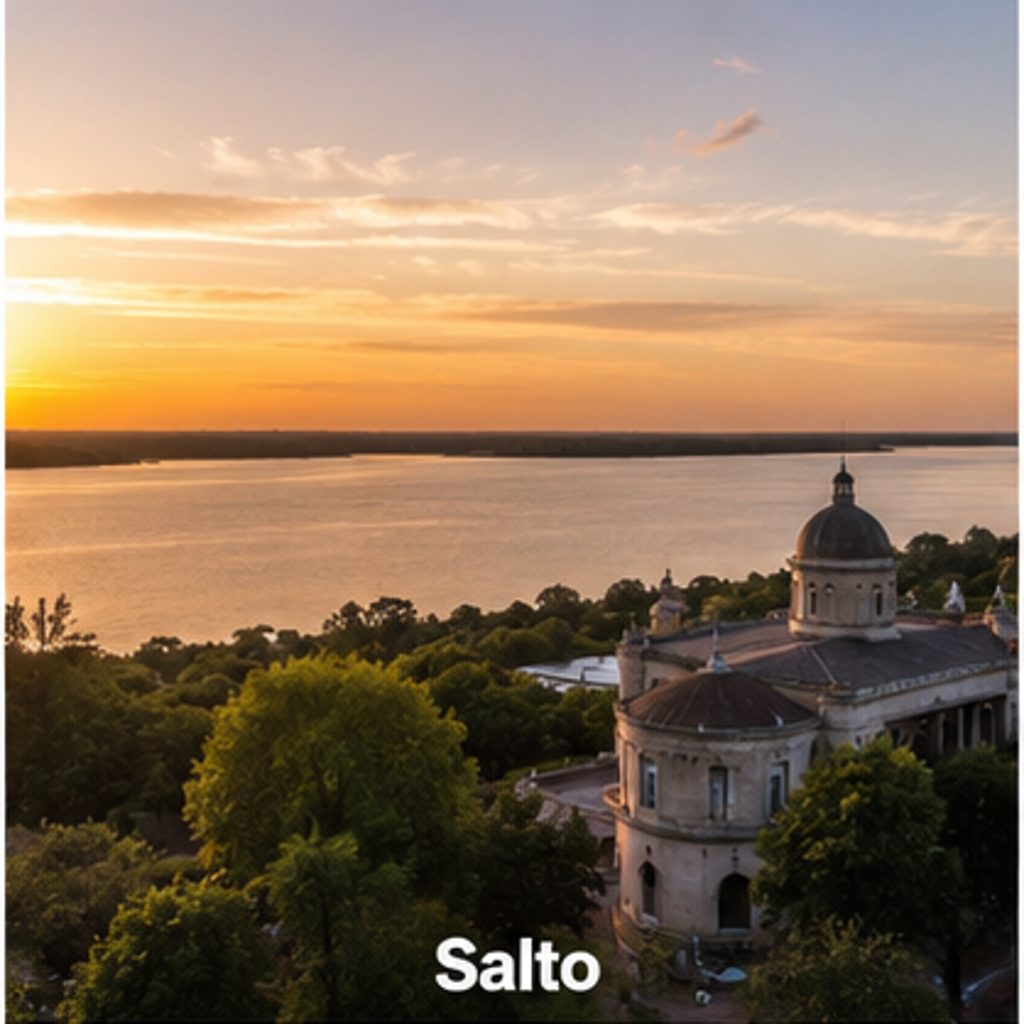
Why Live in Salto?
Salto offers something many newcomers overlook: the opportunity to enjoy a comfortable lifestyle at a significantly lower cost than Uruguay's coastal cities.
As the country's second-largest urban area, Salto provides many services normally associated with larger cities while maintaining a friendly and relaxed atmosphere.
Advantages
- One of Uruguay's lowest costs of living.
- Second-largest city in the country.
- Famous thermal hot springs.
- Strong healthcare system.
- University and educational institutions.
- Beautiful Uruguay River waterfront.
- Warm climate.
- Easy access to Argentina.
Things to Consider
Living in Salto may not suit everyone.
- Far from Montevideo.
- Smaller expat community.
- Fewer international restaurants.
- Limited nightlife compared to the capital.
- Car ownership is useful for exploring the surrounding region.
Cost of Living
Salto is one of Uruguay's most affordable cities.
Typical monthly budget for a comfortable lifestyle:
- One-bedroom apartment: US$350-650
- Utilities: US$70-150
- Internet: US$30-40
- Healthcare: US$80-180
Many residents enjoy a comfortable lifestyle with US$1,300-1,900 per month.
Neighborhoods
Centro
Walkable downtown area close to shops, cafés, and government offices.
Cerro
Quiet residential district popular with local families.
Salto Nuevo
Modern residential area with expanding housing developments.
Costanera
Neighborhoods near the river offering beautiful walking paths and green spaces.
Healthcare
Salto has one of the strongest healthcare systems outside Montevideo, including both public hospitals and private mutualistas.
Specialized care is available locally, with only the most complex treatments typically requiring travel to Montevideo.
Internet and Remote Work
Fiber internet is available across much of the city, making remote work increasingly common.
Several cafés provide reliable Wi-Fi, while the lower cost of living makes Salto attractive for digital professionals with foreign income.
Transportation
Most destinations within the city can be reached in less than 20 minutes.
Intercity buses connect Salto with Montevideo, Paysandú, Rivera, and other major cities.
The international bridge to Concordia also provides convenient access to Argentina.
Things to Do
- Visit Daymán Hot Springs.
- Relax at Arapey Thermal Resort.
- Walk along the Costanera.
- Explore local citrus farms.
- Visit museums and cultural centers.
- Fish and kayak on the Uruguay River.
Day Trips
Popular excursions include:
- Daymán
- Arapey
- Concordia (Argentina)
- Paysandú
- Rural wineries and farms
Getting from Salto to Montevideo
Salto is approximately 500 km (310 miles) from Montevideo.
- Driving time: 5.5-6 hours
- Direct bus: 6-7 hours
- Domestic flights are occasionally available depending on the season.
Although the capital is several hours away, most everyday services are available locally.
Getting from Salto to Argentina
The international bridge connects Salto with Concordia in Argentina within minutes, making cross-border shopping and tourism very convenient.
Frequently Asked Questions
Is Salto cheaper than Montevideo?
Yes. Housing, dining, and everyday expenses are considerably lower.
Is Salto good for retirees?
Yes. Affordable housing, thermal springs, healthcare, and a relaxed lifestyle make it one of Uruguay's best retirement destinations.
Is Salto safe?
Salto is generally considered one of Uruguay's safer regional cities.
Can you live in Salto without speaking Spanish?
Basic English is less common than in Montevideo or Punta del Este, so learning Spanish will significantly improve everyday life.
Is Salto good for digital nomads?
For remote workers who prioritize affordability over nightlife and international communities, Salto offers excellent value and reliable internet.