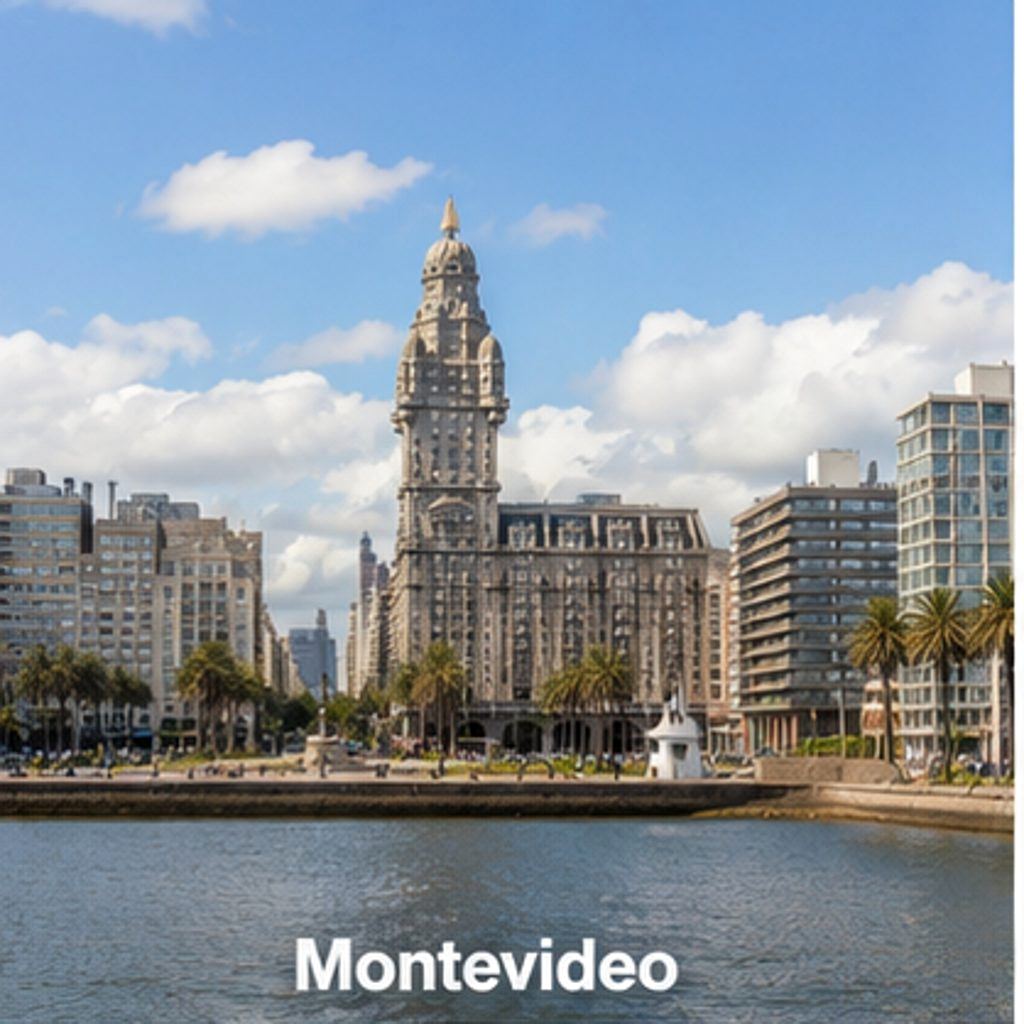
Why Consider Montevideo Department?
Montevideo Department is the practical center of Uruguay. It is where most national institutions are located and where foreigners usually find the easiest access to the services they need during relocation.
If you are applying for residency, opening a bank account, choosing a healthcare provider, looking for international schools, or trying to understand the country before choosing a long-term home, Montevideo is usually the most convenient base.
This does not mean it is the best fit for everyone. People looking for silence, rural landscapes, very low housing costs, or a small-town rhythm may prefer Colonia, Salto, Rocha, or the Canelones coast. But as a starting point, Montevideo remains the most practical department in Uruguay.
Who Is Montevideo Department Best For?
Montevideo Department is especially strong for:
- first-time expats;
- professionals and entrepreneurs;
- students;
- families who want school options;
- remote workers who need reliable infrastructure;
- retirees who want strong healthcare access;
- people who prefer living without a car.
It is less ideal for people who want large homes, quiet rural surroundings, or the lowest possible cost of living.
Major City
Montevideo
Montevideo is the only major city in the department and functions as Uruguay's capital, business center, university hub, cultural center, and main healthcare destination.
Most of the country's important services are concentrated here, including:
- national government offices;
- embassies and consulates;
- major private hospitals;
- universities;
- the Port of Montevideo;
- Tres Cruces bus terminal;
- business districts;
- major shopping centers;
- cultural venues and theaters.
For detailed neighborhood-level information, read the full city guide to Montevideo.
Economy
Montevideo Department has the most diversified economy in Uruguay.
Important sectors include:
- government and public administration;
- finance and banking;
- technology and software;
- education;
- healthcare;
- port logistics;
- tourism;
- restaurants and hospitality;
- professional services;
- media and culture.
This makes Montevideo the strongest job market in Uruguay, especially for bilingual professionals, entrepreneurs, consultants, and people working with international companies.
Healthcare
Montevideo has the best healthcare infrastructure in the country. Many of Uruguay's leading mutualistas, private hospitals, specialist clinics, laboratories, and emergency services are located here.
This is one of the main reasons retirees and families often choose Montevideo, even when they prefer the lifestyle of smaller cities. In more remote parts of Uruguay, complex medical treatment may require travel to the capital.
Education
Montevideo is Uruguay's main education hub. The department has the widest selection of universities, private schools, bilingual schools, international-style education, language schools, and professional training options.
For families with school-age children or students planning to study in Uruguay, Montevideo offers more choice than any other department.
Transportation
Montevideo is the easiest department in Uruguay for people who do not want to own a car.
The city has:
- extensive urban bus routes;
- taxis and ride-sharing apps;
- Tres Cruces intercity bus terminal;
- access to Carrasco International Airport nearby;
- the Port of Montevideo;
- walkable central neighborhoods;
- cycling routes in some areas.
Carrasco International Airport is technically located in Canelones Department, but it serves Montevideo and is usually 30–40 minutes from central neighborhoods depending on traffic.
Why Choose Montevideo Instead of Other Departments?
Choose Montevideo Department if you want:
- the best healthcare;
- the most services;
- the largest expat community;
- the strongest job market;
- no need for a car;
- more restaurants, cafés, and cultural life;
- easier relocation logistics.
Choose another department if you want:
- lower rent;
- more nature;
- quieter surroundings;
- beach-town life;
- larger homes;
- a slower pace.
Cost of Living
Montevideo is usually the most expensive department in Uruguay for everyday urban living, especially in popular neighborhoods such as Pocitos, Punta Carretas, Carrasco, Cordón, and Parque Rodó.
Housing is the main cost difference. Rent is higher than in Salto, Rivera, Artigas, Rocha, or many towns in Canelones and Colonia. However, Montevideo can still be cheaper than Punta del Este for many year-round residents.
For many expats, the higher cost is balanced by convenience: less need for a car, better access to services, more healthcare options, and a wider rental market.
Nature and Beaches
Montevideo is not Uruguay's strongest department for nature, but it does offer easy access to the Río de la Plata waterfront.
The Rambla is one of the city's greatest lifestyle advantages. It connects beaches, parks, residential neighborhoods, cafés, sports areas, and public spaces along the coast.
For wilder nature, Atlantic beaches, forests, hills, or rural landscapes, residents usually travel to Canelones, Maldonado, Rocha, Lavalleja, or Colonia.
Pros and Cons
Montevideo Department gives newcomers the smoothest landing in Uruguay, but it also comes with the most urban trade-offs.
The main advantages are services, healthcare, transport, education, culture, and professional opportunities. The main disadvantages are higher rent, traffic, density, and less access to quiet nature.
Frequently Asked Questions
Is Montevideo a city or a department?
It is both. Montevideo is Uruguay's capital city and also one of the country's 19 departments.
Is Montevideo Department good for expats?
Yes. It is usually the easiest department for foreigners because it has the most services, rentals, healthcare options, English-speaking professionals, and international community.
Do you need a car in Montevideo?
No. Montevideo is the best place in Uruguay to live without a car, especially in central and coastal neighborhoods.
Is Montevideo Department expensive?
It is one of the more expensive parts of Uruguay, mainly because of rent. However, it can be practical because public transport is strong and many services are nearby.
Is Montevideo safer than other departments?
Montevideo is safe by regional standards, but it is more urban and has more petty crime than many smaller Uruguayan towns. Neighborhood choice matters.